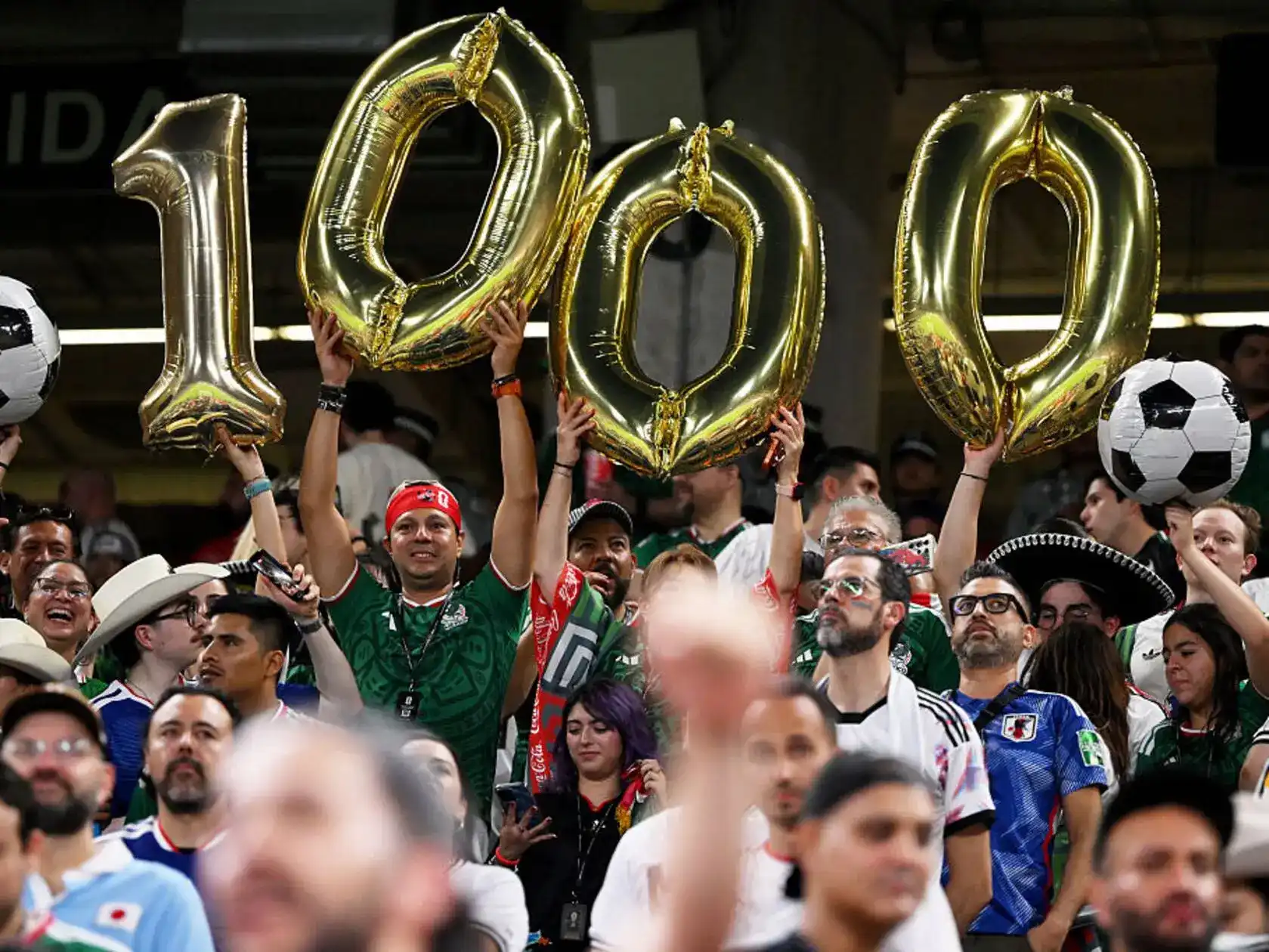
From the two matches played simultaneously in Montevideo in 1930 to the clash between Japan and Tunisia at the 2026 World Cup, the FIFA World Cup has officially reached the historic milestone of 1,000 matches.
On the morning of June 21st, the moment the opening whistle blew in the match between Japan and Tunisia at the Monterrey Stadium (Mexico), World Cup history entered a brand new chapter. This fixture was officially confirmed as the 1,000th match since the FIFA World Cup was established nearly a century ago.
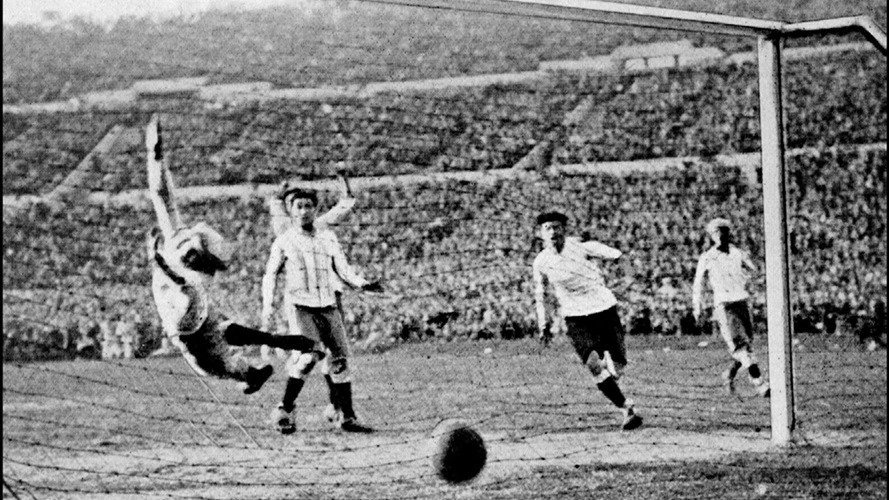
Héctor ‘El Manco’ Castro scored Uruguay’s fourth goal in the inaugural FIFA World Cup final on July 30, 1930, in Montevideo, Uruguay. (Source: Wikimedia Commons)
The number 1,000 is not merely a statistical milestone. This figure deeply reflects the remarkable 96-year journey of the biggest sporting event on the planet, evolving from the modest stadiums in Uruguay in 1930 to the cutting-edge, ultra-modern mega-stadiums scattered across North America for the 2026 World Cup.
Throughout its extensive history, the World Cup has witnessed the participation of dozens of generations of players, timeless classic matches, seemingly endless controversies, and countless unforgettable moments that have forever etched their mark on world football history.
From Montevideo to the Matches Etched in History
The inaugural World Cup was held in Uruguay in 1930, featuring 13 participating teams. Interestingly, the very first two matches in the history of the tournament took place simultaneously on July 13th, with the United States playing against Belgium and France facing off against Mexico.
The US football team kicked off their campaign impressively with a convincing 3-0 victory over Belgium before advancing all the way to the semi-finals and finishing in third place overall—which remains their best-ever performance at a World Cup to this day. Meanwhile, the France-Mexico match made history thanks to Lucien Laurent’s goal in the 19th minute, which stands as the very first goal ever scored in World Cup history.
From those relatively humble beginnings, the World Cup rapidly transformed into a major sporting event with undeniable global influence. Interestingly, many of the World Cup’s “milestone matches” have coincided with incredibly special fixtures. The 100th match took place during the 1954 World Cup in Switzerland, where Austria defeated Uruguay 3-1 in the third-place playoff match.
Twelve years later, the 200th match turned out to be one of the most famous finals in history. At Wembley Stadium in 1966, England triumphed over West Germany 4-2 after extra time to win their very first World Cup trophy. That match is also famously associated with Geoff Hurst’s “ghost goal”—a highly controversial incident that sparked debates lasting for several decades before the eventual advent of modern refereeing technology.
In 1986, the 400th match marked the beginning of Diego Maradona’s glorious journey with Argentina. From that moment on, the 1986 World Cup in Mexico became cemented as one of the most memorable World Cups of all time, largely defined by his infamous “Hand of God” goal and his legendary solo run against England.
Conversely, the 500th match milestone at the 1994 World Cup was associated with a rather tragic final chapter in Maradona’s career, as the Argentine legend was unceremoniously disqualified from the tournament after failing a doping test.
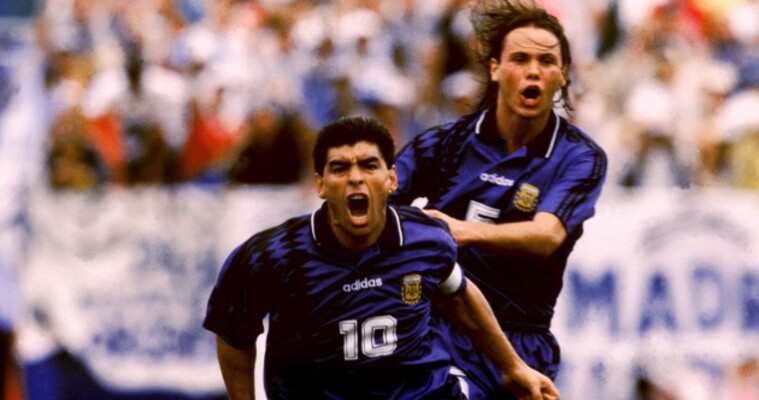
The subsequent milestone matches continued to bear witness to truly unforgettable stories.
The 600th match at the 2002 World Cup ended in a scoreless draw between France and Uruguay, signaling the beginning of one of the most disappointing title-defense campaigns in history, with France ultimately being eliminated from the group stage without scoring a single goal.
Four years later, the 700th match marked another magnificent resurgence for “Les Bleus.” A crucial victory against Spain propelled Zinedine Zidane’s final generation of players all the way to the grand final of the 2006 World Cup.
In Brazil during the 2014 tournament, the 800th match saw German striker Miroslav Klose score his 15th World Cup goal, officially surpassing Ronaldo Nazário to become the all-time leading goalscorer in the history of the tournament. That remarkable record was later extended to 16 goals and still proudly stands to this very day.
At the 2018 World Cup hosted in Russia, the 900th match happened to be the spectacular final between France and Croatia. The decisive 4-2 victory not only secured France’s second world championship title but also officially marked the stunning emergence of a brand-new generation, with Kylian Mbappé shining as the prime example.
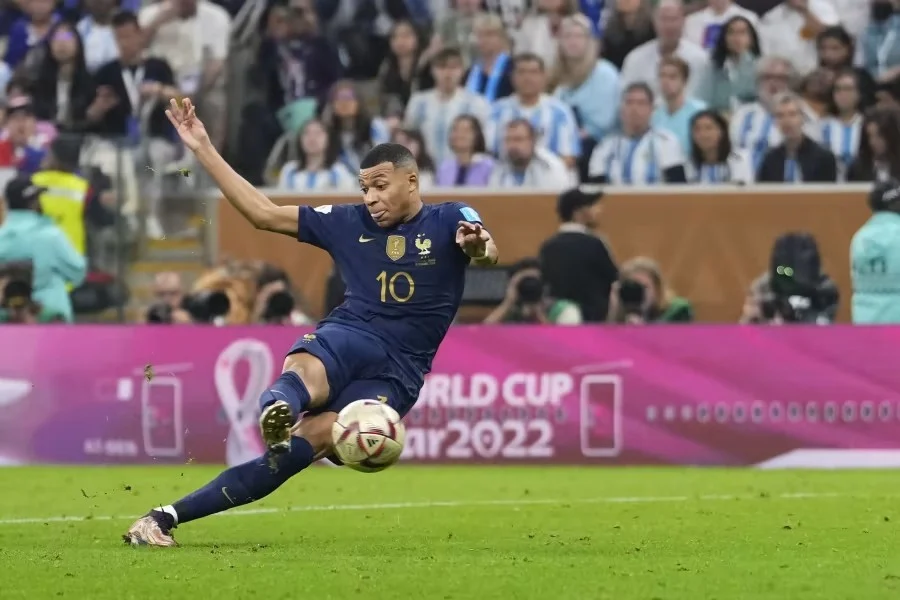
Nearly a century after those very first matches in Montevideo, Japan and Tunisia became the two teams to officially mark the 1,000th appearance at the World Cup. Japan’s comprehensive 4-0 victory over the African squad might not necessarily be the most memorable match in terms of technical skill in World Cup history, but it will undoubtedly be remembered forever as a highly symbolic historical milestone.
Growing from just 13 teams in 1930 to a massive 48-team World Cup in 2026, and evolving from small stadiums along the banks of the River Plate to the most modern, state-of-the-art sports facilities in the world, the World Cup has successfully overcome wars, economic crises, and geopolitical upheavals to become the single most-watched sporting event on the planet.
And as the 1,000th match comes to a close, the magnificent journey of the World Cup is still far from over. A completely new chapter is currently unfolding, promising to add even more extraordinary records, immortalize new legends, and generate captivating stories that will continue to enthrall billions of passionate fans all around the globe.